
Occitanie
Hautes-Pyrénées travel guide
Places to visit, landscapes, local food and practical ideas for planning a rewarding stay in Hautes-Pyrénées.
Why visit Hautes-Pyrénées?
Hautes-Pyrénées offers a focused way to experience Occitanie, bringing together Tarbes, Lourdes, Bagnères-de-Bigorre, Cauterets and Gavarnie.
Department boundaries may be administrative, but they are genuinely useful for travellers. They group places that share roads, market towns, landscapes and food traditions, making it easier to plan days that feel connected rather than rushed. Use this guide to choose a base, understand the character of the area and identify the experiences worth reserving before arrival.
The most satisfying visit combines one or two recognised highlights with time in smaller communities. A morning market, a scenic secondary road, a riverside walk or an unhurried lunch can explain the department as clearly as its famous monument. Stay curious, ask locally and leave space between fixed plans.
Towns, villages and places to explore
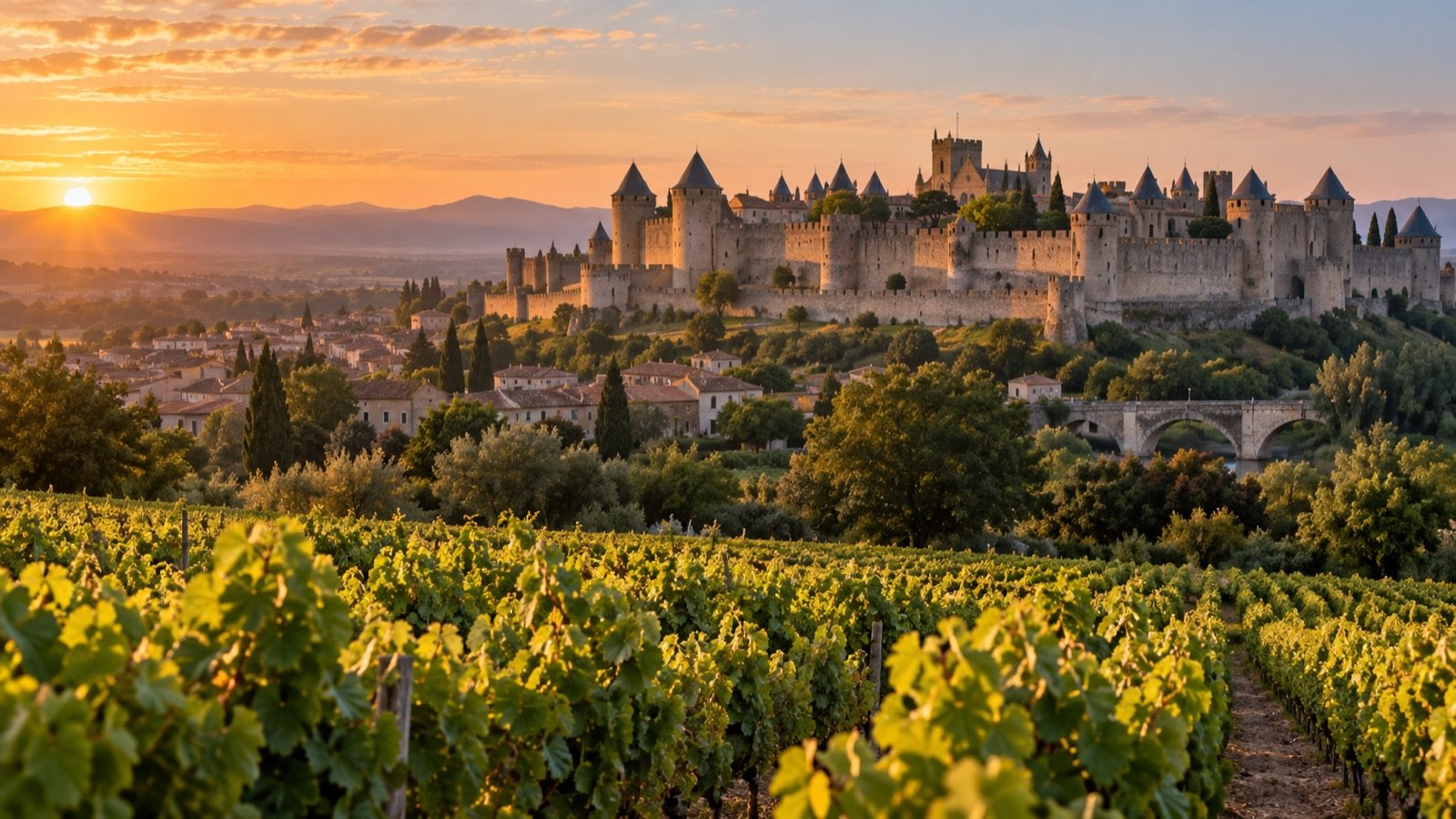
The essential places to know are Tarbes, Lourdes, Bagnères-de-Bigorre, Cauterets and Gavarnie. They provide the natural anchors for an itinerary, whether your priority is architecture, local history, art, markets or simply watching everyday French life from a café terrace.
Start major sights early, particularly during school holidays and summer weekends. Later in the day, shift toward old quarters, gardens, viewpoints and short walks. Market day is often the best time to visit a smaller town, but it also changes parking and traffic, so arrive before the busiest hour. Churches, small museums and privately run attractions may close at lunch or on particular weekdays; confirm current hours before making a special journey.
Do not overlook villages that appear to offer only a few streets. Their appeal often lies in stonework, local materials, a shaded square or the relationship between settlement and landscape. A short stop becomes richer when paired with a bakery, producer, nearby trail or scenic road. Tourist offices remain excellent sources for temporary exhibitions, festivals and access information that may not appear in broad national guides.
Landscape and outdoor experiences
The department’s defining scenery includes the Cirque de Gavarnie, high passes, glacial lakes and thermal valleys. That variety shapes the best outdoor days and determines how quickly journeys unfold. Distances can look modest on a map while narrow roads, mountain passes, ferry crossings or attractive stopping points make travel slower in practice.
Choose walks that suit the weather and the least experienced person in the group. Carry water, use sun protection and keep to marked paths, especially near cliffs, protected habitats, farms and areas exposed to fire risk. Coastal and mountain conditions can change quickly. Local tourist offices and park authorities can advise on closures, seasonal hazards and routes accessible by public transport.
Cycling, paddling, boat trips and wildlife watching can reveal a quieter side of the area. Book qualified operators for technical activities and favour small groups where possible. Even without a major expedition, a picnic viewpoint, canal towpath or hour-long village circuit adds texture to a day dominated by driving or museums.
What to eat and drink
Local flavours to look for include Madiran wine, black Bigorre pork, mountain cheeses, garbure and gâteau à la broche. They connect the department to its climate, farms, coastlines or vineyards and offer an enjoyable route into local culture.
Begin at a weekly market, where seasonal produce makes regional differences immediately visible. Independent bakeries, cheesemakers, winegrowers and farm shops are worth building into the route, but check opening times and reserve tastings when requested. A lunchtime set menu is often the best introduction to local cooking and usually offers better value than ordering several individual courses in the evening.
Ask what is made nearby and what is currently in season. Famous specialities are only one part of the story: contemporary chefs, immigrant communities and younger producers continually reshape French regional food. If driving, organise wine or spirit tastings responsibly and consider buying bottles to enjoy after the day’s travel has finished.
When to visit
April to June and September to October is a dependable starting point for planning Hautes-Pyrénées, although the ideal date depends on your priorities. Spring brings fresh landscapes and comfortable walking temperatures. Summer offers long evenings, festivals and the widest range of open attractions, alongside heavier traffic in established resorts. Autumn suits food, wine, softer light and quieter roads. Winter can be atmospheric and good value, but shorter days and seasonal closures require more preparation.
Check French school holidays, public holidays and significant local events before booking. A festival can add enormous character while also filling accommodation and restaurants. In peak periods, reserve headline attractions and dinner tables, then protect some unscheduled time. In quieter months, contact small museums, producers and activity providers directly to confirm that published hours remain current.
A simple three-day plan
Day one: settle into the principal town or your chosen base. Visit the market or historic centre, select one important museum or monument, and finish with a relaxed local dinner. Keeping the first day compact allows for travel delays and gives you useful context for the rest of the stay.
Day two: focus on the department’s characteristic landscape. Combine a scenic route with a walk, village or outdoor activity, then stop at a producer or viewpoint on the return journey. Avoid filling every hour; one strong landscape experience and two thoughtful stops are usually more memorable than a long checklist.
Day three: explore a contrasting area, ideally using a smaller town as the anchor. Include lunch somewhere known for local ingredients, then choose a garden, heritage site or short trail for the afternoon. If you have longer, repeat this pattern from a second base rather than extending daily drives.
Getting around and choosing a base
Rail and regional buses work best for larger towns, while a car gives more freedom in rural areas. A practical compromise is to reach Occitanie by train and hire a car only for the days that genuinely require one. Download offline maps, carry a charging cable and avoid assuming that every village has fuel, cash machines or late-opening shops.
Choose accommodation around the evenings you want. A town base supports restaurants on foot and simpler public transport; a rural stay provides quiet and scenery but usually requires driving. Families may value parking and a kitchen, walkers may prioritise direct trail access, and a short break benefits from staying close to the places at the top of the list.
Allow generous transfer times and keep one flexible half-day for weather changes or recommendations. This is especially important where the landscape encourages frequent stops. Thoughtful pacing reduces mileage, supports local businesses and makes it possible to experience Hautes-Pyrénées as a place rather than a collection of attractions.
Continue exploring
More of Occitanie
Return to the regional guide for its complete department list, major routes, seasonal advice and broader travel ideas.
Explore Occitanie →