
Explore France
Auvergne-Rhône-Alpes travel guide
Alpine peaks, volcanic country and France’s great food city
Why visit Auvergne-Rhône-Alpes?
Auvergne-Rhône-Alpes is France at its most dramatically varied. Mont Blanc and the high Alps rise in the east, the green volcanoes of Auvergne roll across the west, and Lyon brings Roman history, silk-weaving streets and one of Europe’s strongest food traditions. Between them are clear lakes, thermal towns, vineyards, medieval villages and deep river gorges. It is a region for active holidays, generous meals and journeys in which the scenery changes completely within a few hours.
A good trip here is not about collecting landmarks. It is about understanding how the cities, countryside and local table fit together. Allow time for unplanned market stops, a village walk after lunch and at least one journey on slower roads. Those moments reveal the texture of the region and turn a useful itinerary into a memorable holiday.
The places to know
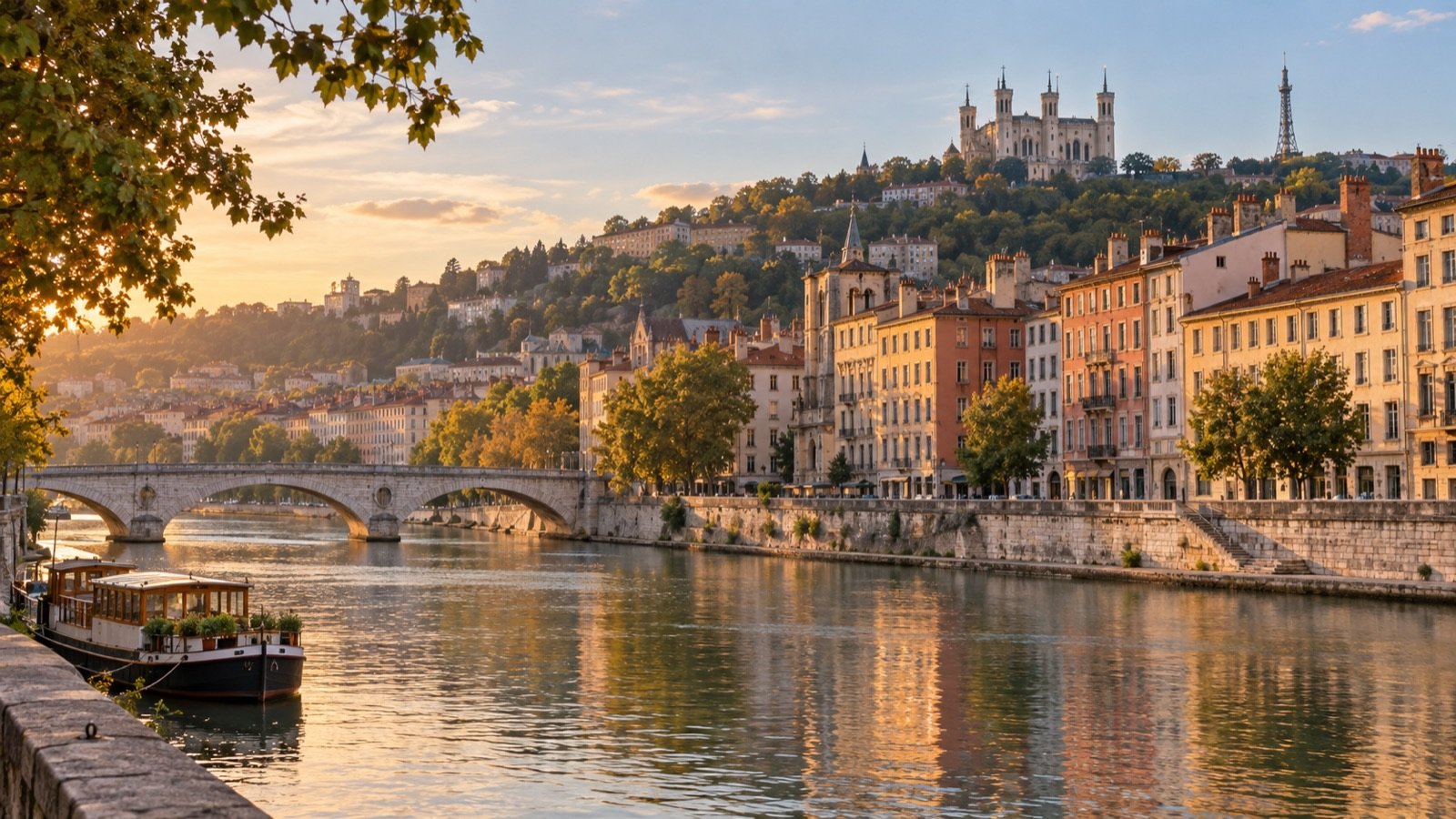
Begin in Lyon, where Vieux Lyon, the traboules and the markets make a rewarding city break. Annecy pairs a graceful old town with an exceptionally clear lake, while Chamonix is the classic gateway to Mont Blanc. Grenoble opens the door to the Chartreuse and Vercors massifs. Clermont-Ferrand, Le Puy-en-Velay, Vichy, Pérouges and the villages of the Ardèche reveal the quieter, more rural side of the region.
Rather than changing hotels every night, choose one or two well-connected bases and explore outward. Early mornings and late afternoons show famous places at their best, while the middle of the day is often better spent over lunch, in a museum or on a shaded walk. Smaller towns usually come alive on market day, so checking the weekly calendar before fixing an itinerary can substantially improve the experience.
Build breathing space into every route. French opening hours can be particular, rural roads take longer than expected and a promising roadside sign often leads to the day’s best discovery. Advance booking is wise for major monuments, acclaimed restaurants and small-group visits, but leave enough unscheduled time to follow local recommendations.
Landscapes and outdoor experiences
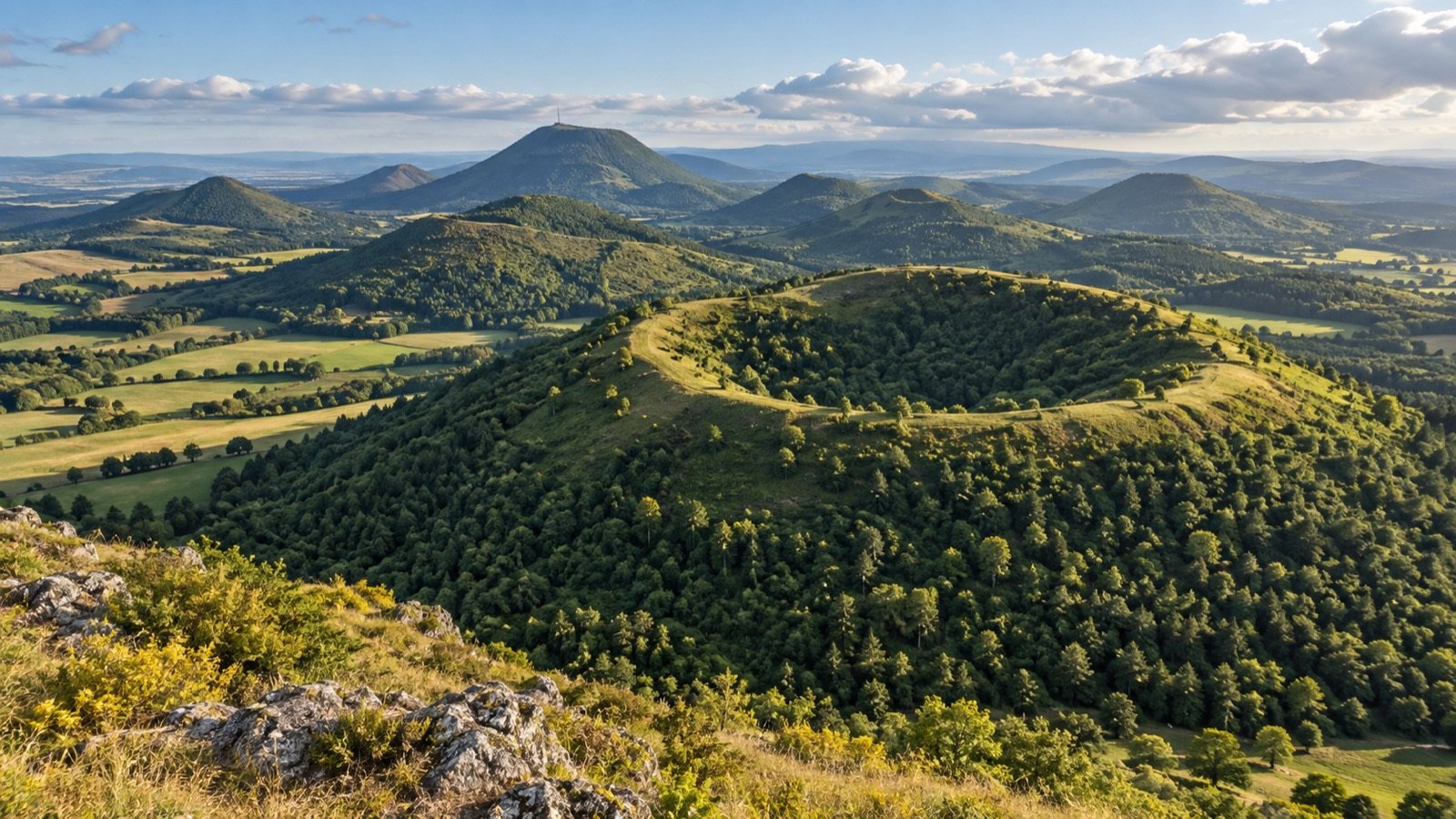
The Alps provide hiking, skiing, cable-car panoramas and famous passes; the Chaîne des Puys offers gentler volcanic trails and enormous skies. Lake Annecy and Lac du Bourget invite swimming and cycling, while the Ardèche gorge is made for canoeing. In the Drôme, lavender, olives and pale-stone villages begin to feel distinctly southern. Beaujolais, Savoie and the northern Rhône add vineyard landscapes to an already remarkable geographical range.
Walking and cycling are among the most rewarding ways to read the landscape. Tourist offices provide current trail advice, and marked routes range from short family circuits to demanding full-day outings. In summer, begin exposed activities early and carry water; in mountain or coastal areas, treat changing weather seriously. Responsible travel means staying on signed paths, respecting farm gates and fire restrictions, and choosing experienced local operators for technical activities.
What to eat and drink
Lyon’s bouchons serve robust local cooking, but the region’s table extends far beyond the city. Look for Alpine cheeses such as Beaufort, Reblochon and Tomme de Savoie; lentils from Le Puy; Charolais beef; walnuts from Grenoble; Bresse poultry; Saint-Nectaire from Auvergne; and wines from Beaujolais, Côte-Rôtie, Condrieu and Savoie. Weekly markets are the best introduction to this edible geography.
Use food as a route through the region. A market visit explains seasonality, a producer visit connects flavour to landscape, and a neighbourhood restaurant shows how traditional recipes continue to change. Lunch menus often offer the best value. Reserve popular tables, state dietary needs clearly and remember that rural kitchens may stop serving earlier than visitors expect.
When to go
May to October for touring; December to April for snow is the most broadly useful window, although the right season depends on the trip you want. Spring brings fresh landscapes, active towns and generally comfortable walking weather. Summer delivers long evenings, festivals and the widest choice of visitor services, but major sights and resort areas require early planning. Autumn is excellent for harvest flavours, softer light and quieter roads. Winter can be wonderfully atmospheric, particularly in cities, food regions and mountain areas, though seasonal closures make advance research important.
France’s school holidays and public holidays influence prices, traffic and opening patterns. If travelling in July or August, reserve accommodation and headline experiences well ahead, then schedule the most popular stops for the start or end of the day. Shoulder-season visitors should confirm ferries, mountain lifts, museums and restaurants directly rather than relying on last year’s timetable.
Planning your journey
Start with the experiences that matter most, then draw a compact route around them. Rail works particularly well for city-to-city travel, while a car is useful for rural villages, trailheads and producer visits. A hybrid itinerary—train to a regional centre, then a short car hire—often saves time and avoids unnecessary driving. In cities, use public transport and park-and-ride facilities where available.
For a first visit, five to seven nights allows a city, a landscape base and several relaxed day trips. Ten days gives room to combine contrasting parts of the region without turning the holiday into a sequence of check-ins. Keep daily driving modest, download offline maps in rural areas and carry a little cash for markets or small producers. Travel insurance, sun protection and suitable footwear are simple preparations that make ambitious days much easier.
Choose accommodation for location as much as appearance. A beautiful rural house suits travellers happy to drive for dinner; a central apartment works better for car-free evenings; a village stay provides atmosphere but may have limited services out of season. Our developing department guides will make these decisions increasingly specific, with local bases, routes and practical details for each area.
Before departure, check official opening times and local event calendars, then save reservations, addresses and tickets somewhere available offline. Learn a few polite French phrases and ask hosts or shopkeepers for their current recommendations; the answer is often more useful than a generic list. On the road, pause at signed viewpoints and information panels, fill up before entering remote country and avoid planning a long transfer on the same day as a major visit. These small choices preserve energy and create room for the spontaneous discoveries that make regional travel so rewarding.
Go deeper
Departments of Auvergne-Rhône-Alpes
These departments make up the region. Each link has a planning page now and will become a detailed local guide covering towns, villages, stays, food, routes and things to do.